
Gain a deeper understanding of cataracts, how they develop, their impact on vision, and the advanced treatment options available to restore clear sight.
Cataract symptoms can vary from mild to severe, depending on the stage of the condition. Common signs include increased sensitivity to light, difficulty seeing at night, and colors appearing faded or yellowish. Some individuals may also experience double vision in one eye or the need for frequent prescription changes in glasses. As cataracts progress, daily tasks become more challenging, affecting overall quality of life. Early diagnosis through routine eye exams is essential for timely intervention.
The development of cataracts is primarily age-related, but other factors can accelerate the process. Genetics, smoking, excessive alcohol consumption, and prolonged exposure to UV rays can all contribute to early onset. Additionally, certain medical conditions such as hypertension and prolonged use of steroid medications have been linked to increased cataract risk. By adopting a healthy lifestyle and protecting the eyes from harmful environmental factors, individuals may delay or reduce the severity of cataract formation.
Modern cataract surgery is a quick, outpatient procedure with minimal downtime. During the surgery, the cloudy lens is removed and replaced with an artificial intraocular lens (IOL), restoring clear vision. Various types of IOLs are available, including monofocal, multifocal, and toric lenses, allowing patients to choose an option best suited to their lifestyle and vision needs. With advancements in technology, cataract surgery is now safer and more precise than ever, significantly improving patients' vision and overall well-being.
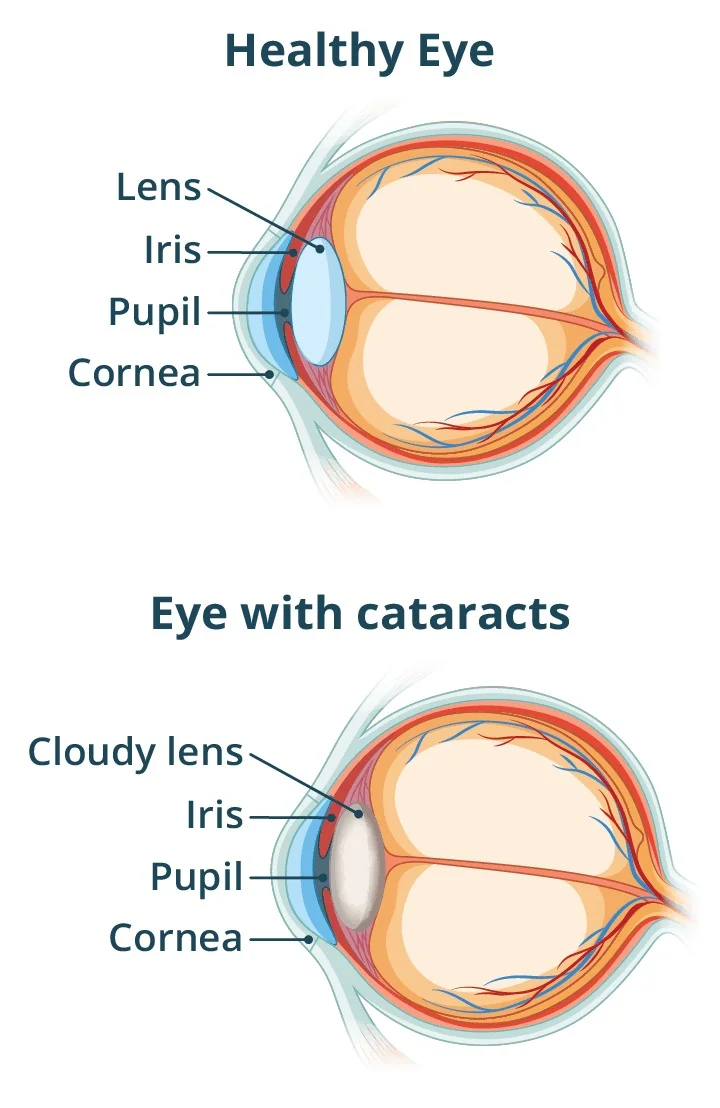
Cataracts are primarily caused by the natural aging process, but several factors can increase the risk of developing cataracts or contribute to their development. Here are the main causes of cataracts:

Cataracts are a natural part of the aging process. As you get older, the proteins in your eye lens break down and clump together, causing cloudiness and vision problems.

Smoking is a significant risk factor for cataracts. The harmful chemicals in tobacco smoke can damage the proteins in your eye lens, leading to cataract formation.

Exposure to UV radiation from the sun or other sources can increase the risk of cataracts. UV radiation can damage the proteins in your eye lens, leading to cataract formation.

Drinking alcohol in excess can increase the risk of cataracts. Alcohol can cause oxidative stress and damage the proteins in your eye lens.

Obesity, lack of physical activity, and poor eating habits can increase the risk of cataracts. Maintaining a healthy lifestyle can help prevent cataracts.
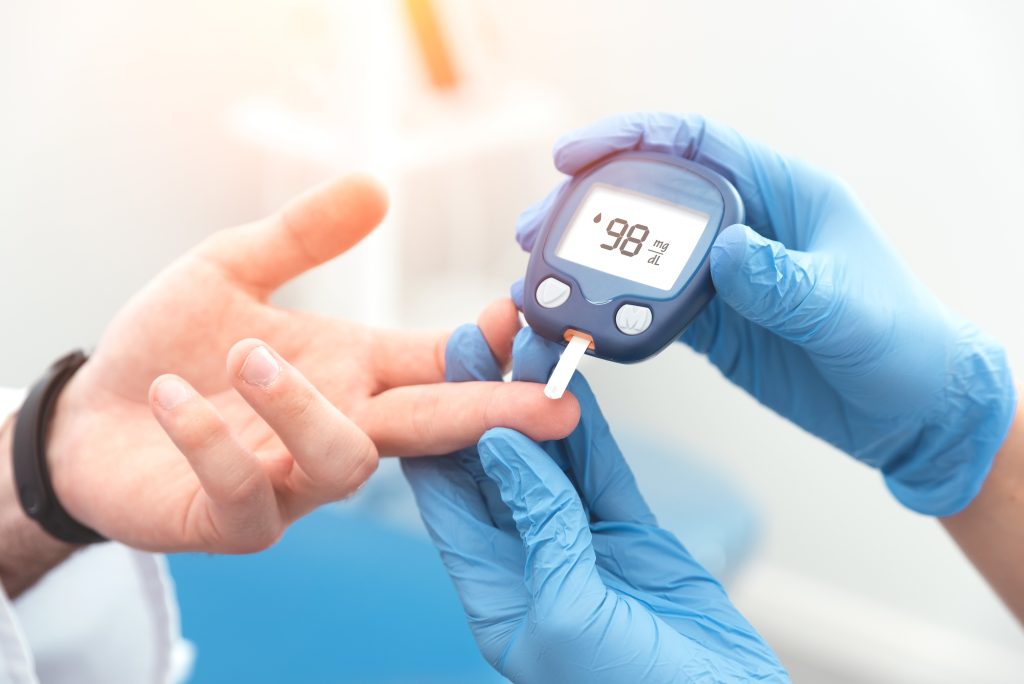
Diabetes can increase the risk of cataracts. High blood sugar levels can damage the proteins in your eye lens, leading to cloudiness and vision problems.

High blood pressure can increase the risk of cataracts. The increased pressure in your blood vessels can damage the proteins in your eye lens, leading to cloudiness and vision problems.

Long-term use of corticosteroid medications can increase the risk of cataracts. These medications can cause oxidative stress and damage the proteins in your eye lens.
There are four main types of cataracts, and each type affects vision differently.
Nuclear cataracts develop in the center of the lens and gradually cause it to harden and turn yellow or brown. This type of cataract is most commonly associated with aging and can lead to significant nearsightedness. Early symptoms may include difficulty distinguishing colors and increased glare from bright lights. Over time, vision becomes progressively blurred, affecting daily activities such as reading, driving, and recognizing faces. Without intervention, nuclear cataracts can severely impair vision, but they can be effectively treated through cataract surgery, which replaces the clouded lens with a clear artificial one.
Cortical cataracts develop on the outer edges of the lens and extend inward in a spoke-like pattern. This type of cataract often causes light to scatter, leading to glare, halos around lights, and difficulty seeing in bright conditions. It can make night driving especially challenging. People with cortical cataracts may notice a gradual loss of contrast and sharpness in their vision. Regular eye check-ups are crucial to monitor its progression. When the cataract starts significantly affecting vision, cataract surgery can restore clarity by replacing the affected lens with an artificial intraocular lens.
Posterior subcapsular cataracts form at the back of the lens, directly in the path of light entering the eye. They tend to progress more rapidly than other types and can significantly affect near vision. Common symptoms include difficulty reading, increased sensitivity to bright light, and the appearance of halos around light sources. This type of cataract is more common in people with diabetes, those using steroid medications, or individuals with a history of eye trauma. Because of its fast progression, timely diagnosis and cataract surgery may be necessary to restore clear vision.
Congenital cataracts are present at birth or develop during infancy. They may be caused by genetic factors, infections during pregnancy, or metabolic disorders. Some congenital cataracts are small and do not significantly impact vision, while others can interfere with normal visual development. If left untreated, severe congenital cataracts can lead to lifelong vision impairment. In cases where vision is affected, early surgical intervention is crucial to ensure proper visual development and prevent complications such as amblyopia (lazy eye).
The only effective treatment for cataracts is cataract surgery, which involves removing the cloudy lens and replacing it with a clear, artificial lens (intraocular lens or IOL). Surgery is the most common and successful procedure for restoring vision lost due to cataracts.
The good news is that cataract surgery is one of the safest operations in the world. Cataract surgery improves vision in about 99% of patients.
The right time for cataract surgery varies from person to person. While cataracts develop slowly, it’s essential to consider surgery when your vision is significantly impaired and is affecting your daily activities, such as driving, reading, or working. Dr. Biswas will help you determine the optimal time to undergo surgery based on the severity of your cataract and overall eye health.




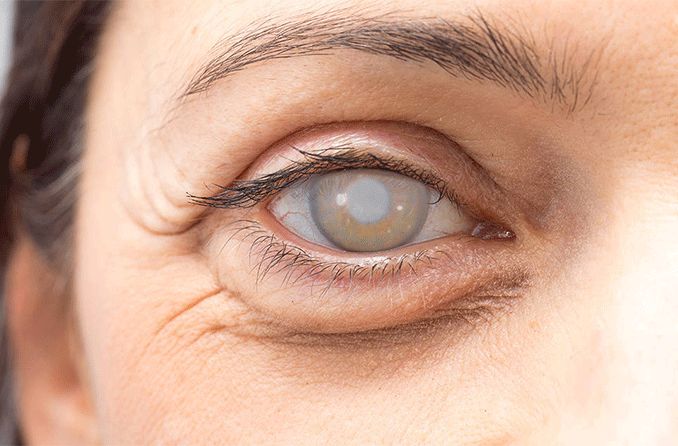
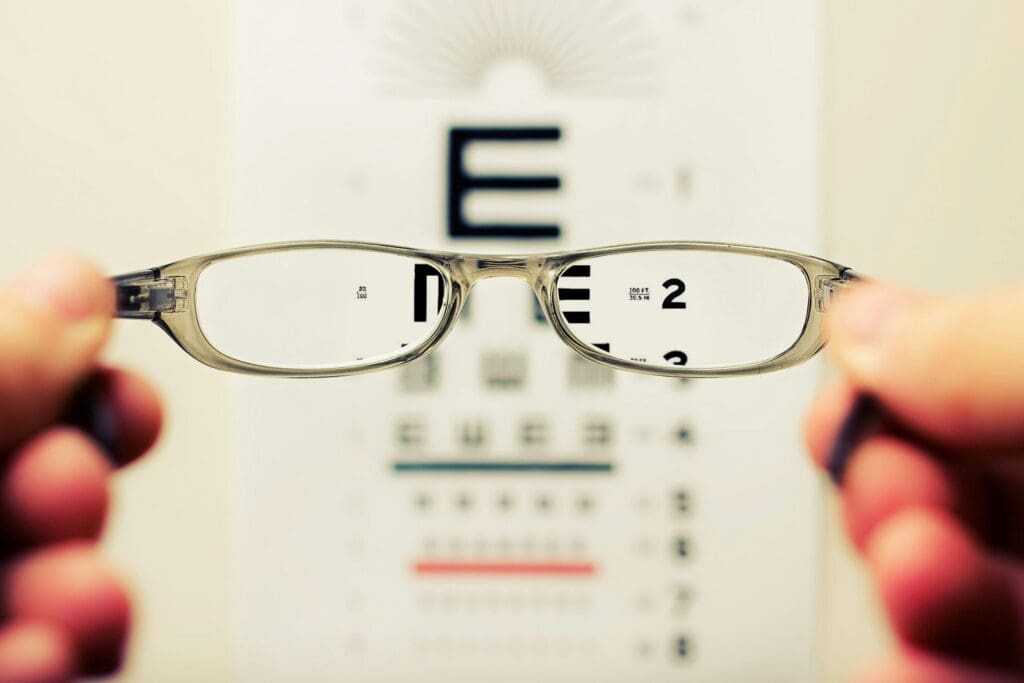


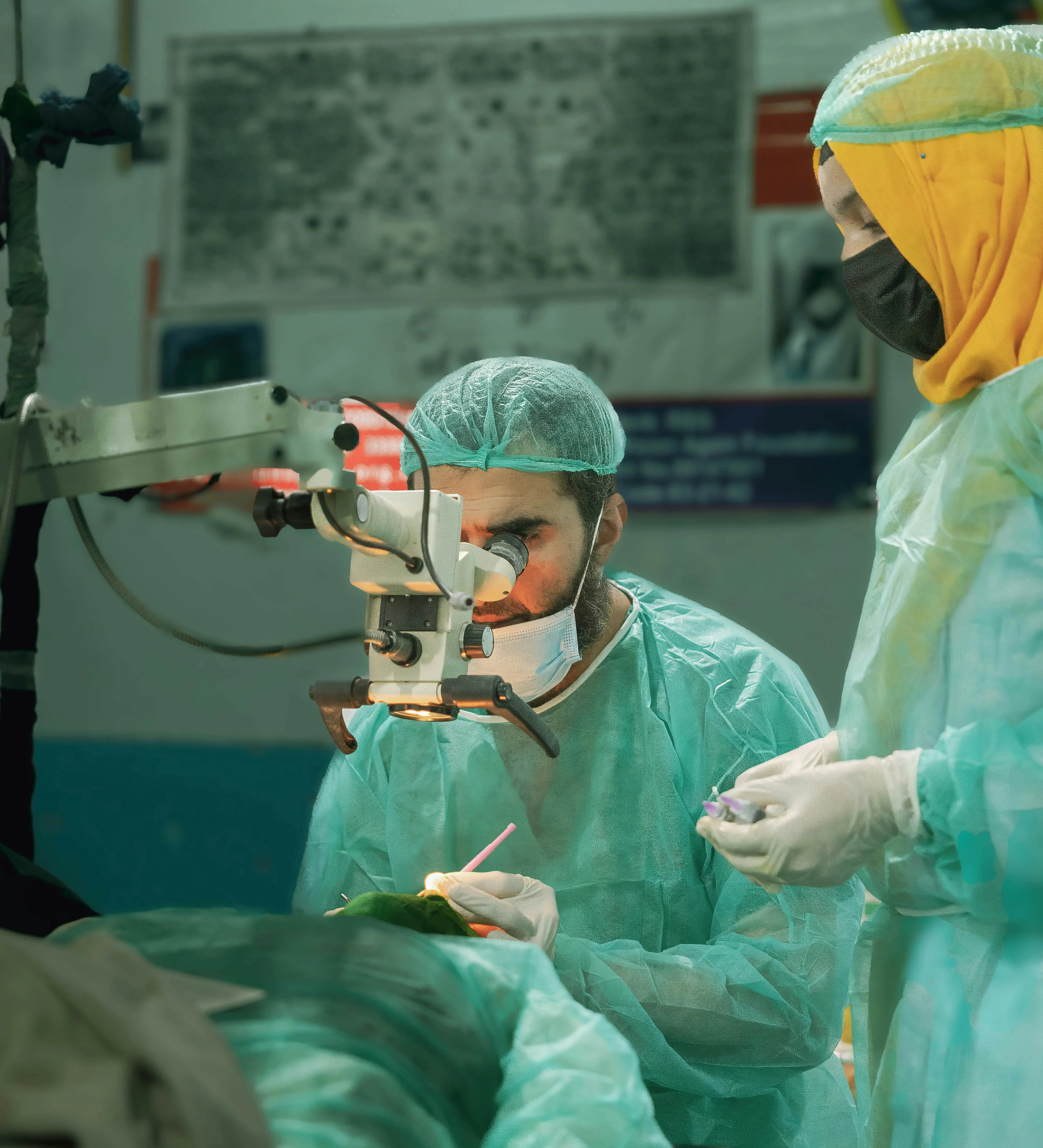
You should consider cataract surgery if your cataracts are significantly affecting your vision and daily activities. If you’re finding it difficult to read, drive, or perform tasks due to blurry vision, it may be time for surgery. Your ophthalmologist, Dr. Tanmoy Biswas, will assess your condition and help you decide the right time for surgery.
Cataracts may affect anybody at any age, but they are most common among those over the age of 55. They are caused by natural aging. Other causes include:
Cataract surgery typically takes about 15 to 30 minutes. The procedure is quick, and most patients can go home the same day.
No, cataract surgery is usually painless. The procedure is performed under local anesthesia, which numbs the eye, so you won’t feel any discomfort. You may feel some pressure or slight sensations during the surgery, but there should be no pain.
Most patients experience a quick recovery after cataract surgery. You may notice an improvement in vision within a few days. It's normal to have some mild discomfort or blurry vision in the first few days, but it typically improves with time. Full recovery usually takes about 4 to 6 weeks.

Experience clear vision with advanced cataract surgery performed by Dr. Tanmoy Biswas. With precision, care, and the latest medical techniques, we ensure a hassle-free and comfortable treatment. Take the first step towards better eyesight—Book your appointment today!
© Dr. Tanmoy Biswas. All Rights Reserved.
Designed by Digiex Web